Removals in Ealing

Our removals in Ealing are designed to make moving straightforward for households and businesses that want careful handling, clear planning and a practical approach on the day. We focus on the core tasks that matter most: loading, transporting and placing your belongings with attention to access, timing and fragile items. Whether you are moving from a flat, a family home or a workspace, the service is built around orderly removal work rather than rushed lifting.
We can help with full property moves, partial loads and single-item transport where that is the right fit. If you are comparing options, the most useful starting point is to think about what needs moving, how much access there is at each end and whether any items need extra packing or dismantling. For broader details on our service range, see our removal services page.
When you are ready to discuss the move, it helps to share the basics in one go: the property type, the items involved and any access points that may affect loading. Clear information allows the job to be planned around the practical side of the move, including the right vehicle size and the handling needed for heavier furniture. You can also request a quotation as part of that first enquiry.
House moves and domestic removals
Domestic moves often involve more than simply carrying furniture from one place to another. A typical house move can include wardrobes, beds, white goods, boxes, mirrors, soft furnishings and pieces that need steady handling through narrow halls or stairwells. Our home moves service supports that process with practical removal work for occupiers who want a more organised approach from packing through to delivery.
For larger or more involved properties, the best removal plan usually depends on access, parking and the mix of belongings rather than on size alone. Some moves are straightforward with a single load, while others benefit from careful sequencing so that the most delicate items are moved first or kept apart from bulkier furniture. Where appropriate, options such as partial packing, dismantling and reassembly can be included in the overall plan.
Many customers also prefer to think ahead about the order of the move, especially if some rooms will be cleared before others. A good removals plan can reduce last-minute decisions and keep the day calmer. If you would like to compare the domestic service with other options, our house removals page gives a straightforward overview of that type of work.
Business and office relocations

Commercial removals call for a slightly different approach because furniture, files, displays and equipment often need to be moved with care around business hours, shared entrances and managed building access. Our commercial moves service is intended for organisations that want their relocation handled in a structured way, with attention to the order items are removed and where they are delivered. The aim is to keep the move organised without making unnecessary assumptions about how the workplace operates.
Office work may involve desks, chairs, cabinets, IT items and storage that benefit from sensible labelling and planned loading. Some businesses only need a few items taken to another site, while others require a fuller relocation with multiple rooms or departments. If you are looking specifically at workspace moves, our office removals page is a useful place to start, and it sits alongside office relocation services for more structured move planning.
Practical preparation makes a noticeable difference to both domestic and business removals. A short inventory, clear access details and notes about items that need dismantling or special handling help us shape the work more accurately. If possible, group the things that stay together, and let us know about lifts, stairs, parking restrictions or any unusually heavy pieces. That information supports a more accurate quotation and a smoother move overall.
Packing, protection and careful handling
Packing is often the part of a move that determines how easy the rest of it will be. Fragile items, loose contents and mixed boxes can be prepared in different ways depending on what they contain and how far they need to travel. Our packing and unpacking services can support customers who want help with boxing household goods, wrapping breakables or settling things in at the other end without doing everything themselves.
We also consider protection for furniture and larger items during transit, especially where surfaces could scratch or where items need to be grouped by room. Not every move requires the same level of packing help, so it is worth deciding whether you need only selected fragile items packed or a broader service for the whole property. The right choice usually depends on the volume of belongings, the time available and the amount of preparation already done.
For some customers, a removal service is most useful when it is combined with clear sorting. Keeping documents, essentials and valuables separate from general boxes can make the day easier to manage. It also helps if the items that need immediate access are clearly identified before loading begins. Those small decisions can save time later and reduce the chance of important things being buried in the wrong box.
Furniture, single items and flexible van transport
Not every job is a full property move. Sometimes the need is simply to move a sofa, a wardrobe, a dining set or another item that is too large for ordinary transport. Our furniture pick-up service suits that kind of work, particularly when the item needs to be collected carefully and placed where it belongs at the destination. This is useful for purchases, replacements or items being moved between addresses.
Flexible van transport can also help when you have a smaller load that does not justify a large-scale removal operation. In those cases, the main concerns are usually access, lifting weight and how the goods should be secured in transit. The service can be tailored to suit a one-off item or a compact collection of belongings, and it remains focused on sensible handling rather than unnecessary extras.
If you are deciding between a light transport option and a fuller removals service, the key question is often how many items need moving and whether they require manual handling by more than one person. For straightforward jobs, a smaller setup may be all that is needed. For broader support, the general removals page outlines the main categories of work we provide.
Vehicle choice and loading arrangements

Choosing the right vehicle matters because it affects both efficiency and the safety of what is being moved. A van that is too small can lead to extra journeys, while one that is too large may be less convenient for access or parking. Our moving vehicles are selected to match the load as closely as possible, whether the task suits a compact van or a larger removal vehicle. The practical goal is to load securely and transport belongings without unnecessary compromise.
Loading is not only about fitting items inside a vehicle; it is also about placing them so they remain stable in transit. Heavier pieces are usually positioned with care, and more delicate items are kept apart where needed. When furniture has been dismantled, the separate parts and fixings need to be stored in a way that makes reassembly simpler. That attention to detail can help the delivery side of the move feel more orderly and less stressful.
Some customers prefer to compare vehicle-based options before they decide on the level of service they need. Our moving van and moving truck pages describe the transport side of the work, while man and van and man with van are useful if you are looking for a more flexible small-load arrangement.
How we price a removal
The cost of a move is usually shaped by a set of practical factors rather than by one simple measure. Load size, travel distance, access, the need for extra hands, packing support and the amount of dismantling all influence the work involved. That is why a quote is most useful when it reflects the actual removal task rather than a broad estimate that misses important detail. If you would like to compare service options, our pricing and quotes page explains how to approach that stage.
There is no need to overcomplicate the request. A plain description of what is moving, where it is going and what access is available is usually enough to begin. If there are stairs, limited parking, awkward doors or items that need special handling, mention those early so the quotation can reflect the likely effort. That makes it easier to choose the right level of support and avoid avoidable changes later.
Some removals are best priced as a simple transport job, while others need more detailed planning because they involve multiple stops, packing help or a mixed set of items. In either case, the most helpful information is concrete and specific. Accurate details are more valuable than long explanations, especially when the aim is to keep the move straightforward and fair for everyone involved.
About Ealing

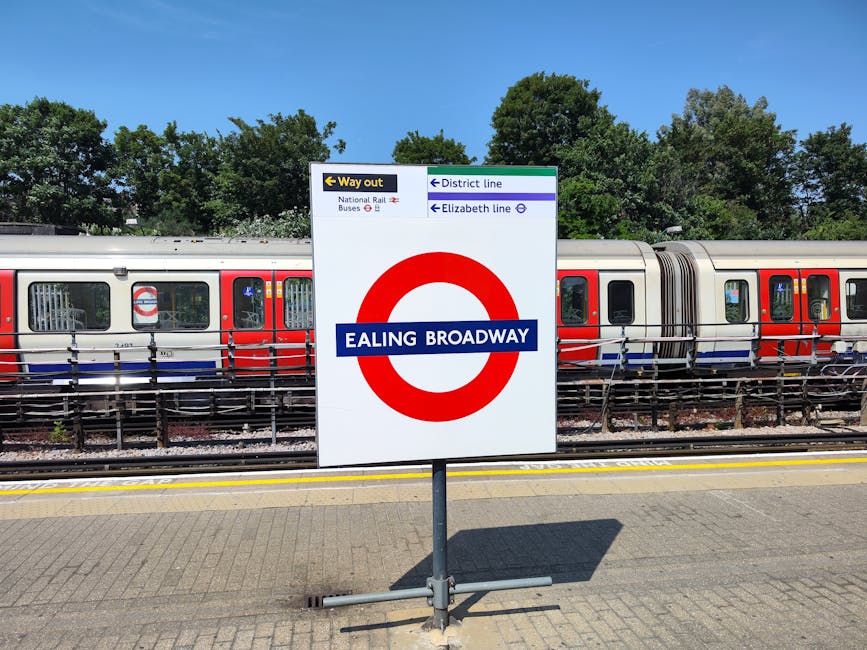
Ealing is a large district in West London with a long history as a settlement on the route between the City and the west of England. It developed from a rural parish into a suburban centre during the nineteenth and early twentieth centuries, especially after the arrival of the railways encouraged residential growth. The area contains a mix of Victorian and Edwardian housing, later apartment developments and busy commercial streets, giving it a varied urban character. Ealing Broadway acts as one of the best-known centres, with shops, transport connections and civic buildings concentrated around the station area, while Ealing Common offers a more open stretch of grassland and recreation space close to the main roads.
The district is also associated with a distinctive cultural identity. Ealing Studios, established in the 1930s, became famous for a series of classic British comedies and remains a notable part of the local landscape. The borough includes several parks and green spaces, such as Walpole Park near the town centre, which is linked to the historic Pitzhanger Manor and Gallery. The Grand Union Canal runs to the north of the area and adds another layer to the geography, connecting Ealing with waterways that have long been important for trade and movement across west London. The place name covers several neighbourhoods rather than one compact centre, so its streets, landmarks and housing can feel quite different from one district to the next.
Today Ealing combines busy transport corridors, conservation areas, long-established residential streets and newer developments. That variety is part of what gives the area its identity: there are quieter pockets with tree-lined roads, active shopping areas and routes that link directly towards central London and the west. The local street pattern, parks and transport links make it a place shaped by movement as much as by neighbourhood life, and its built environment still reflects the stages of growth that turned a rural parish into a substantial suburban district.
Specialist moves and local property types
Different properties require different handling, and that is especially true where access is tight or stairwells are narrow. Flats, maisonettes, terraced houses and converted buildings each present their own practical considerations. Our house movers and house removalists pages speak to that kind of domestic work, while man with van removal can suit lighter or more flexible transport needs.
The same principle applies when the move is centred on a particular type of load. Some belongings are straightforward to carry, while others need two-person lifting, padding or careful sequencing through shared entrances. The service is therefore best understood as an organised removal task rather than a one-size-fits-all product. If your move involves a mixture of furniture and smaller items, the planning stage matters just as much as the journey itself.
You may also want to think about how much of the moving work you want to keep under one roof. Some customers only need transport, while others want packing, loading and unloading handled together. If you are comparing the breadth of service, our movers and removal company pages provide useful context for the different types of support available.
Preparing for moving day

Good preparation does not need to be complicated. A short room-by-room list, a note of anything fragile and a clear idea of what is staying behind can make the move easier to manage. It also helps to identify items that may need dismantling, such as beds or larger furniture, so that the schedule allows time for the extra work. If there are lifts, narrow stairs or controlled parking, those details are worth sharing alongside the quotation request.
It is equally helpful to separate essentials from general belongings so that the most important items can be found quickly at the destination. That might include documents, medicines, charging cables, cleaning supplies or bedding. A removal service is usually more efficient when those small practical choices have been made in advance, because the loading team can then focus on the main transport work and avoid unnecessary delays.
For many customers, the next step is simple: decide which service level fits the move and ask for a quotation based on the real job in front of you. If you need more than basic transport, mention the packing, handling or access issues you want covered. Request your quotation today and use the contact details on the site to start the process in a clear, practical way.